by marsee | Sep 7, 2016 | News
…think that we may be able to avoid a collapse on Lake Michigan, but we need a good collaborative decision-making process to involve anglers and other stakeholders in making difficult choices related to the future of the fishery. Sea Grant has always encouraged people to take a big-picture view of…
by marsee | Sep 8, 2016 | Events, News
…community in a variety of exercises to identify opportunities to secure the economic, social, and environmental sustainability of public waterfront facilities and the nearby community. Driven by input from local citizens and community leaders, the project will review a draft coastal community sustainability toolkit and create some updated vision options…
by marsee | Aug 24, 2022 | News
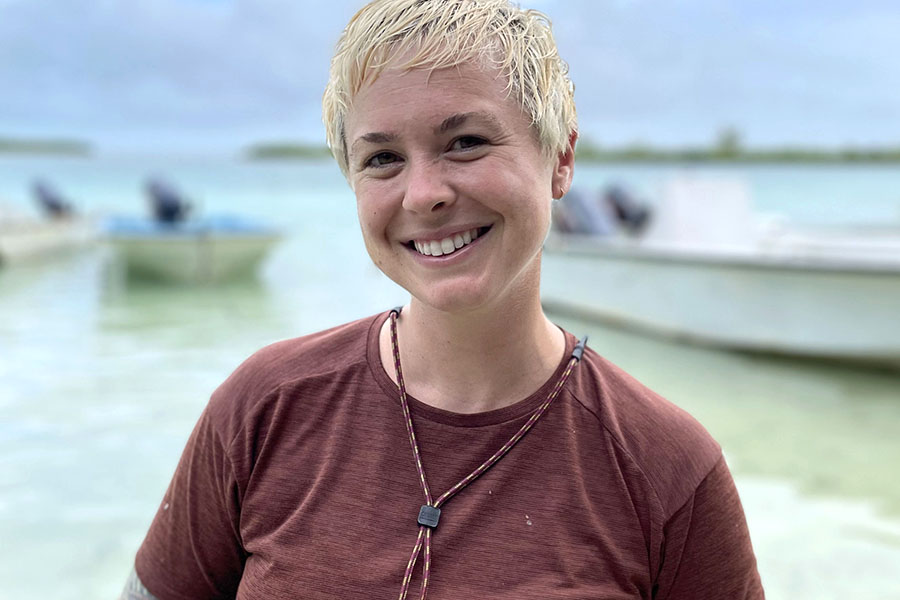
…students pursuing doctoral degrees in related fields. Reef fish and predators from subtropical coastal ecosystems, including multiple species of snapper and barracuda. Fellows are chosen through a competitive process that involves national review by an expert panel. The 2022 fellows are geographically diverse, attending universities in Alaska, California, Florida, Michigan,…
by marsee | Oct 3, 2016 | Events, News
…design team will engage the St. Ignace community in an exercise to identify opportunities to secure the economic, social, and environmental sustainability of public waterfront facilities and the nearby community. Driven by input from local citizens and community leaders, the project will review a draft coastal community sustainability toolkit and…

by marsee | Feb 22, 2023 | News
…of native fish and wildlife. This can decrease the recreational value of land for birders, fishers, and other recreational users. The tall stands can also block coastal views, decreasing property values and creating a safety hazard for drivers. However, it is not all bad: Phragmites can also filter the water…

by marsee | May 21, 2025 | News
…project team conducted an extensive literature and document review, interviewed 48 individuals, and held three focus groups with agency staff, researchers, local leaders, Tribal staff, and other key stakeholders and rights holders. Additionally, the team developed GIS maps to visualize key data and identify opportunities for enhanced conservation. They also…


