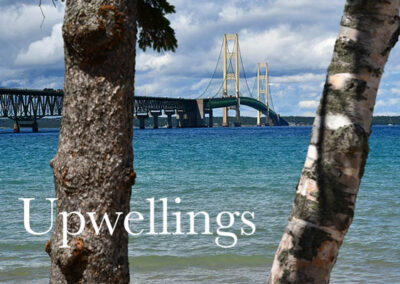
Transportation of goods, shipwrecks, commercial and recreational fishing, all tell the tale of human connection to the water.
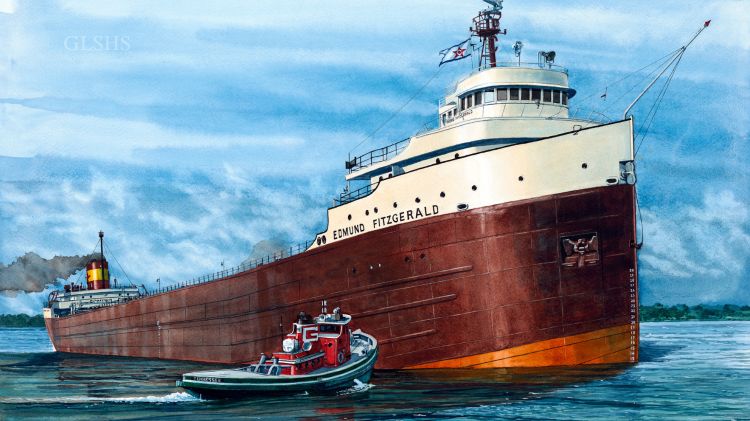
This year is the 50th anniversary of the Lake Superior tragedy, the wreck of the Edmund Fitzgerald freighter near Whitefish Bay. Both shipping and fishing have long been important for the Great Lakes’ regional economies. Photo: Courtesy of the Great Lakes Shipwreck Museum.
As autumn leaves change and fall around the Great Lakes region, history fans – and fans of Gordon Lightfoot’s song, “The Wreck of the Edmund Fitzgerald” – pay homage to the many ships and crews that have sailed the Great Lakes. This year is the 50th anniversary of the Lake Superior tragedy. While the song highlights one deadly wreck in 1975, all of the lakes can be a fearsome place for sailors, especially during the gales of November.
The lakes have been used for trade since the 17th century when fur traders navigated the waters. In the 19th century, transporting bulk materials such as iron ore and limestone became common. Over time shipping expanded and ships grew in size to carry more tonnage. Shipping remains an important aspect of the region’s economy today. The history of the ships, lighthouses, and sailors who navigate the Great Lakes offer fascinating stories. Learn more about the Edmund Fitzgerald by visiting The Great Lakes Shipwreck Museum website, or the museum (May 1-Oct. 1) at Whitefish Point in the Upper Peninsula.
Another museum offering much to learn about shipwrecks is the Thunder Bay National Marine Sanctuary in Alpena, MI (check online for hours of operation). The website tells the stories of the nearly 100 shipwrecks in the Lake Huron sanctuary.
But shipping is not the only thing that draws us to the lakes.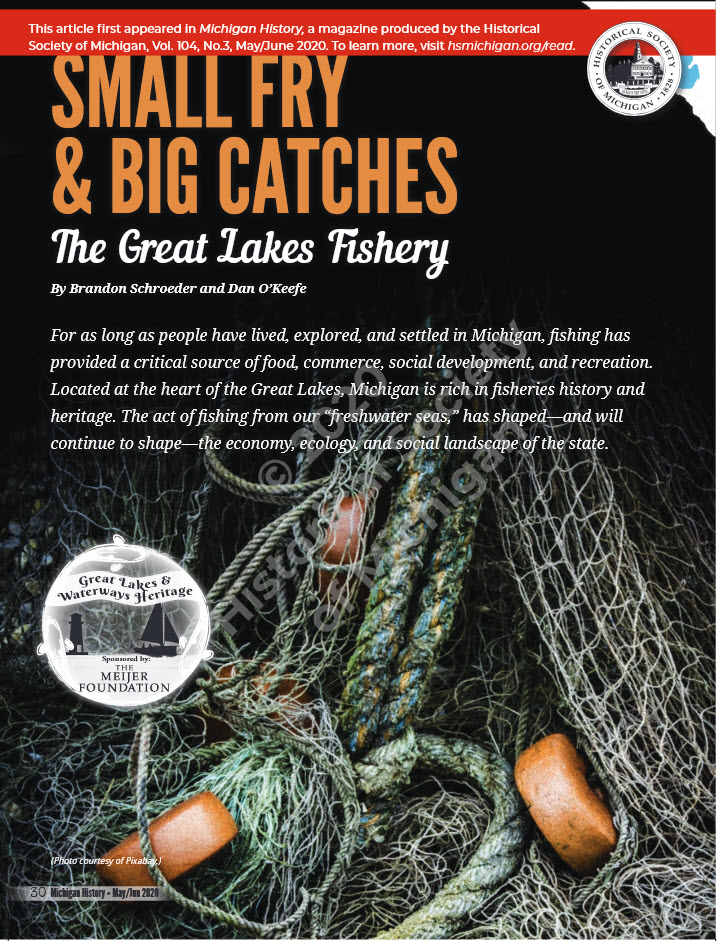
Fishing an important part of our history
For as long as humans have lived in the Great Lakes basin, fishing has also been an important ecological, economic, and recreational activity.
Great Lakes fishery heritage tells more than the story of Great Lakes fish and the people who catch them. This rich vein of history connects us to aquatic ecosystems, biodiversity, water quality, and environmental change. Fisheries serve as a gauge of resource sustainability and quality of life for communities around the state.
The article Small Fry & Big Catches gives a broad overview of the history of the Great Lakes fishery. Written by Michigan Sea Grant Extension Educators Brandon Schroeder and Dan O’Keefe, the article describes the important role fishing has served in the Great Lakes, and the evolution of fisheries management, improvements, and coming challenges.
Great Lakes Fisheries Heritage Trail Network
Great Lakes fisheries heritage sites throughout Michigan offer residents and visitors a unique opportunity to explore and experience the dynamic social, technological, and environmental changes that have shaped today’s fishery. The interactive website can help you learn more about the trail network and partnerships. Michigan Sea Grant is a leadership partner for the regional network.