National Sea Grant Office (NSGO) has issued its official recertification letter and notice of eligibility for merit funding to Michigan Sea Grant (MISG) for successfully undergoing an external program evaluation in spring 2025. This recertification from NSGO is the final step in the 2018-2023 program review process we underwent in 2025.
“The results from the site review team are clear: Michigan Sea Grant is a well-managed, cost-effective and impactful program that provides valuable services to your partners and constituents and your successes contribute to the strength of the National Sea Grant College Program,” the official letter stated.
In March 2025, MISG underwent an external program evaluation with a site review team (SRT) assembled by the NSGO. This review process is one way that NSGO ensures each Sea Grant program is meeting standards of excellence and is making progress toward state and national strategic goals. The site review team evaluated our management and organization, engagement, collaborative network activities, and performance priorities against our program’s strategic plan. The team also assessed the impact of our program on science and society relative to our program’s Federal investment.
“Based on the program review process, Michigan Sea Grant is meeting the Standards of Excellence expected of all programs and is eligible for merit funding. Congratulations!” said the notice.
In June 2025, MISG reported that the site review team determined that we met National Sea Grant standards of excellence, and that our performance received an accomplishment of special merit in all four of our focus areas: sustainable fisheries and aquaculture, healthy coastal ecosystems, environmental literacy and workforce development, and resilient communities and economies.
According to the report summarizing the findings of the SRT, “MISG implements a strong programmed team approach to addressing Great Lakes challenges which include relevant, high quality multidisciplinary research that is fully integrated with extension, education, and communication activities.”
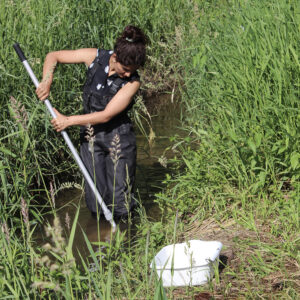 The report also highlighted several distinct aspects of our program, including programs to support both undergraduate and graduate students. “MISG is one of only a few programs that provide graduate students the opportunity to serve as PIs for fellowship awards. … This not only results in significant research but also produces positive outcomes in Environmental Literacy and Workforce Development.”
Another area the report highlighted was MISG’s commitment to engagement, “The numerous examples of community engagement the SRT learned about show that MISG is highly relevant to local, state, regional and national partners and priorities in the Great Lakes region. Youth engagement coupled with consistent support of teachers was particularly striking.”
Two other areas of praise included citizen science and collaborations and partnerships. “MISG engaged the public in actively participating in managing fisheries in the basin. Clearly citizen participation is part of the solution, not part of the problem. Approaches like this can help reduce any potential conflict associated with future policy or regulation change.” It added that collaboration and partnerships are “the hallmark of MISG and fundamental to their work. These partnerships contribute to the success and quality of virtually all of MISG programs.”
MISG places a high value on fostering quality relationships, partnerships, and collaborations. Constituents and partners alike were emphatic in their testimony about MISG’s importance in the state, the report said.